
health & Wellness
From Desk Slouch to Brain Fog: The Hidden Biological Link Between Sitting and Mental Fatigue

Jun
For many New Zealanders, a standard workday involves sitting in front of dual screens, responding to urgent emails, and powering through a nine-to-five routine. By 3 PM, a familiar sensation sets in—your neck feels stiff, your lower back aches, and a heavy mental haze takes over.
Many people dismiss this afternoon “brain fog” as a simple lack of sleep or a sign they need another flat white. However, the true culprit is often physical. There is a deep, hidden biological link between a desk slouch and mental fatigue. Fortunately, understanding this connection reveals why the benefits of massage chairs extend far beyond simple luxury, serving as an effective tool for cognitive and physical recovery.
The 9-to-5 Physical Trauma: How Office Chairs Keep Your Nervous System in Overdrive
When you slouch over a desk, your shoulders round forward, your head projects toward the screen, and your spine loses its natural curvature. This posture—often called “tech-neck” or desk slouch—places an immense physical burden on your body. The human head weighs about 5 kilograms; for every 2.5 centimetres it tilts forward, its effective weight on the spine doubles.
To prevent your head from dropping, the muscles in your neck and upper back must contract constantly. This sustained muscle tension signals your brain that the body is under physical stress. In response, your adrenal glands release cortisol, the body’s primary stress hormone.
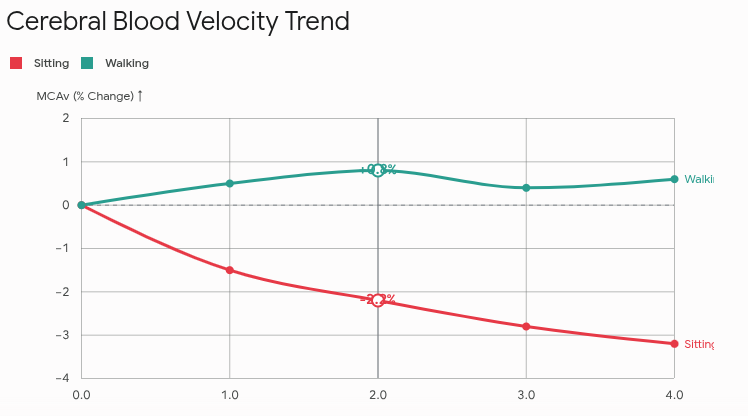
Chronic high cortisol levels alter your biology. It elevates your heart rate, restricts your blood vessels, and shifts your autonomic nervous system into a continuous “fight-or-flight” state. When your brain believes it is facing physical danger, it downregulates non-essential functions. Deep analytical thinking, creative problem-solving, and short-term memory are deprioritised, leaving you with severe mental fatigue and brain fog before the workday even finishes.
Restricting the Pipeline: How Poor Posture Starves the Brain of Oxygen
Beyond hormonal shifts, slouching physically restricts your circulatory system. Tight, contracted muscles in the neck and shoulders squeeze the vertebral arteries, which supply vital oxygenated blood to the brain.
At the same time, slouching compresses your chest cavity, forcing you to take shallow breaths using only the upper portion of your lungs. This reduced oxygen intake combined with sluggish circulation slows down neural processing. Your brain simply does not get the rapid fuel delivery it needs to stay sharp, causing your concentration to drop.
The Zero-Gravity Escape: Hard-Resetting Modern Cognitive Overload
To break this cycle, you need to address both the physical misalignment and the neurological stress response. This is where investing in advanced home wellness tools makes a significant difference. One of the most effective hidden benefits of massage chairs is their ability to physically decompress the spine while downregulating the nervous system.
By stepping out of the office chair and into an intelligent home model, you can access specialized relief systems:
- Zero-Gravity Position: Elevating your knees slightly above your heart redistributes your body weight evenly. This removes the compressive gravity load from your spine, instantly allowing tight lower back and neck muscles to relax.
- Intelligent 3D/4D Rollers: Rather than just rubbing the surface of your skin, sophisticated track systems mimic the hands of a professional therapist. They target deep muscle tissue along the spine, breaking down the physical tension that triggers cortisol release.
- Targeted Thermal Modules: Built-in carbon-fibre heating elements warm the lower back and shoulders. This heat dilates blood vessels, reverses the restriction caused by hours of sitting, and restores healthy circulation throughout the body.
When these features work together, they trigger a shift from the fight-or-flight state to the “rest-and-digest” parasympathetic nervous system. As cortisol levels drop, your muscles relax, your blood vessels dilate, and oxygen flows freely back to your brain, lifting mental fatigue.
Investing in Long-Term Workplace Wellness
Overcoming the physical and mental toll of a sedentary office lifestyle requires a deliberate recovery routine. While regular stretches help, an automated home system provides deep, consistent relief that fits easily into a busy Kiwi schedule.
By taking 15 to 20 minutes each evening to realign your posture and lower your stress hormones, you protect your body from structural strain and safeguard your mental clarity for the days ahead.
Frequently Asked Questions (FAQs)
1. How exactly does a massage chair help with mental brain fog?
Brain fog is often triggered by poor blood circulation and high cortisol (stress hormone) levels caused by poor desk posture. A massage chair relaxes tight neck and shoulder muscles, allowing better oxygenated blood flow to the brain while shifting your nervous system into a relaxed state that naturally lowers cortisol.
2. Can using a massage chair improve my sitting posture at work?
Yes. Regular use helps lengthen tight, shortened muscles in your chest and shoulders while relieving tension in your upper back. By reducing chronic muscle stiffness, it becomes much easier and more comfortable to maintain proper spinal alignment when you return to your desk.
3. What is the significance of the “Zero-Gravity” feature for office workers?
The zero-gravity position places your body in a posture that distributes weight evenly across the chair. For office workers, this removes the intense compression forces that sitting places on the lower back and lumbar discs, providing rapid relief from spinal pressure.
4. How often should a desk worker use a massage chair to see health benefits?
For consistent relief from mental fatigue and physical stiffness, a daily 15-to-20-minute session after work is highly recommended. This establishes a clear boundary between your stressful workday and evening relaxation, helping prepare your mind and body for restorative sleep.